

What Does “Break the Ice” Mean? A Complete Guide to This Common English Idiom
Learn the true meaning of “break the ice,” its fascinating origins, and how to use it naturally in everyday conversations.
Introduction
You’re standing in a room full of strangers. The air feels thick. Nobody knows what to say. Then someone tells a lighthearted joke, and suddenly everyone relaxes. That person just did something important, they broke the ice.
The idiom “break the ice” appears everywhere. You hear it in offices, at parties, and even in movies. But what does it actually mean? Where did it come from? More importantly, how can you use it correctly in your own conversations?
This guide explains everything you need to know about this popular expression. You will learn its exact definition, its surprising history, and practical ways to use it. Whether you are learning English or just curious about common phrases, this article will help you understand and use “break the ice” with confidence.
What Does “Break the Ice” Actually Mean?
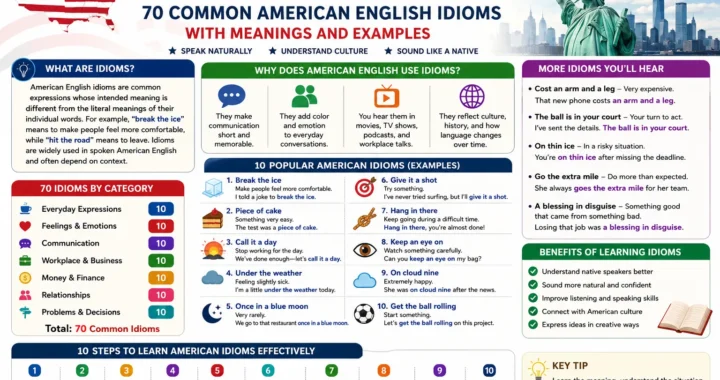
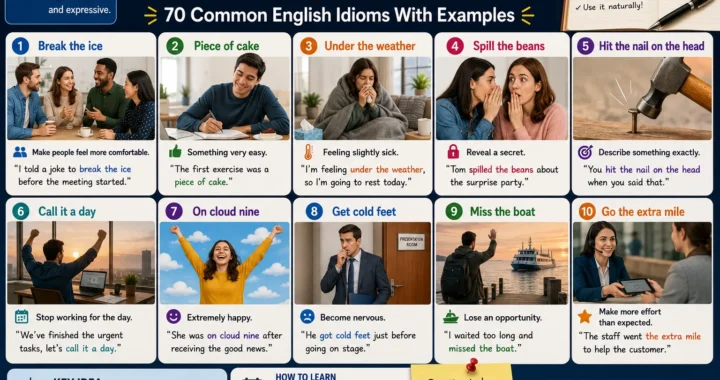
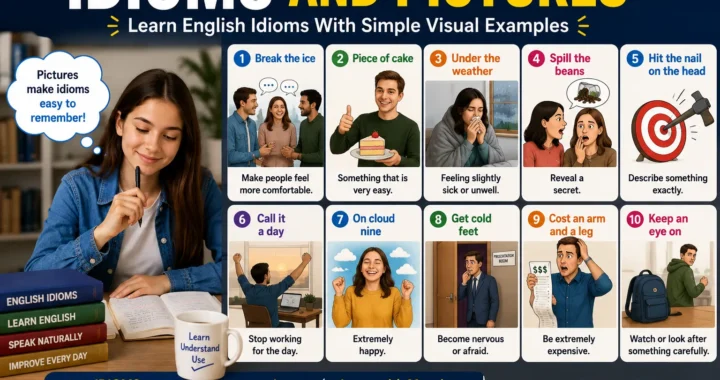
Break the ice means to do or say something that helps people feel more comfortable with each other, especially when they meet for the first time.
When people feel awkward or nervous around new people, there is often tension. Breaking the ice removes that tension. It creates a relaxed atmosphere where conversation flows naturally.
The idiom can refer to:
- Starting a conversation with someone new
- Doing something to make a group feel more comfortable
- Using humor or questions to reduce nervousness
Example: “He told a funny story to break the ice at the meeting.”
Think of it like this: ice represents awkwardness or formality. Breaking that ice lets people connect more easily.
Image Suggestion: A group of diverse professionals laughing together in a modern office meeting room, clearly comfortable and engaged.
The Fascinating Origin of “Break the Ice”
Understanding the origin of idioms makes them easier to remember. The phrase “break the ice” has roots in history, and two main stories explain how it started.
The Shipping Theory
The most widely accepted origin comes from the shipping industry. In the 16th and 17th centuries, sailing ships often got stuck in frozen harbors during winter. Special ships called “icebreakers” had to break through the ice to clear a path for smaller boats.
By breaking the ice, these ships made it possible for others to pass through safely. This literal meaning eventually turned into a metaphor. Just as icebreakers cleared the way for ships, people could “break the ice” to clear the way for social interaction.
The Social Gathering Theory
Another theory connects the phrase to wealthy European households. When important guests arrived, servants would break the ice on ponds and lakes so the host could show off their beautiful gardens. This act made the property look more welcoming.
Regardless of which story you prefer, the meaning remains the same. Breaking the ice removes obstacles and helps things move forward.
Image Suggestion: An old illustration of a wooden ship breaking through sea ice, surrounded by frost and snow.
When Should You Break the Ice?
Breaking the ice matters in many situations. Knowing when to do it can make your social and professional life much easier.
Networking Events
Business events often feel awkward. Many people stand alone, unsure how to start conversations. Breaking the ice at these events can help you form valuable connections.
Example: “I asked about her industry to break the ice at the conference.”
First Dates
Dating involves real nervousness. Both people want to make a good impression. A well-timed icebreaker can turn an uncomfortable dinner into a fun evening.
Example: “We played a quick card game to break the ice on our first date.”
Team Meetings
Work meetings can feel stiff and formal. When team members relax, collaboration improves. Breaking the ice helps everyone contribute more openly.
Example: “The manager started with a personal story to break the ice before the presentation.”
Family Gatherings
Even families sometimes need help getting comfortable with each other. When relatives haven’t seen each other in a while, awkwardness can build up.
Example: “My aunt brought out old photo albums to break the ice at Thanksgiving.”
Any New Social Situation
Whenever you enter a room full of strangers, breaking the ice helps. The basic principle works everywhere.
Image Suggestion: A group of people at a casual networking event, smiling and talking, with name tags visible.
How to Break the Ice: Practical Methods
Breaking the ice does not require special talent. Anyone can learn these simple techniques.
Use Observation
Look around your environment. Find something interesting or unusual. Comment on it naturally.
Example: “This venue has incredible lighting. Have you been here before?”
Observation-based questions work because they feel genuine. You are not forcing anything.
Ask Open-Ended Questions
Closed questions get short answers. “Do you like this food?” only needs “Yes” or “No.” Open-ended questions encourage longer replies.
Examples of open-ended questions:
- “What brought you to this event?”
- “How did you get started in your career?”
- “What do you enjoy doing when you’re not working?”
Open-ended questions show genuine interest. People appreciate when others care about their answers.
Use Appropriate Humor
Laughter relaxes people quickly. But humor must match the situation. Self-deprecating jokes often work well because they show humility.
Example: “I’ve already forgotten half the names I learned today. Please remind me yours!”
Avoid sensitive topics. Politics, religion, and personal appearance are risky areas. Safe humor works best.
Find Common Ground
People connect over shared experiences. Find something you both relate to.
Examples:
- “I see you’re reading that book. I loved it.”
- “You’re also from the Midwest? Me too.”
- “That team’s performance was something else, wasn’t it?”
Common ground creates instant bonds. It shows you have something in common beyond the current moment.
Share Something Personal
Vulnerability encourages others to open up. Sharing something small about yourself can make people feel safe.
Example: “I was incredibly nervous coming here. But everyone seems so friendly.”
When you admit nervousness, others often admit the same. This breaks down barriers quickly.
Image Suggestion: Two people sitting on a park bench, looking relaxed and laughing at something one of them just said.
Expert Insights: Why Breaking the Ice Works
Understanding the psychology behind icebreakers helps you use them more effectively. Here is what experts know about social comfort.
The Reciprocity Principle
When you share something about yourself, people feel obligated to share something in return. This natural human tendency makes conversation easier. Psychologists call this reciprocity. Breaking the ice triggers this effect.
Reducing Social Anxiety
Social situations trigger the brain’s threat response. Meeting strangers causes nervousness because the brain doesn’t know if the situation is safe. Breaking the ice sends signals that there is no danger. Laughter and friendly questions lower stress hormones.
Creating Positive First Impressions
The primacy effect means people remember first impressions strongly. When you break the ice effectively, you create a positive memory. This sets the tone for future interactions.
Building Trust Quickly
Small shared moments build trust faster than long formal conversations. Breaking the ice creates these quick moments naturally. Even a brief laugh can establish rapport.
Image Suggestion: A photograph of two colleagues shaking hands warmly in a bright, modern office.
Common Mistakes People Make When Breaking the Ice
Even well-meaning people get icebreakers wrong. Avoid these common errors.
Mistake 1: Using Forced Questions
Why it’s incorrect: “If you could have dinner with any historical figure, who would it be?” This sounds like a job interview. It feels unnatural and makes people uncomfortable.
The correct approach: Ask questions relevant to the situation. Comment on shared surroundings or experiences. Natural questions flow from what is happening around you.
Mistake 2: Oversharing Immediately
Why it’s incorrect: Telling strangers about your personal problems or family drama feels overwhelming. People do not need that level of information so quickly.
The correct approach: Start with light topics. Save deeper conversations for later. The goal is simply to create comfort, not to create deep intimacy.
Mistake 3: Forcing Humor That Misses
Why it’s incorrect: Not everyone appreciates the same jokes. Forced humor can feel awkward and create more tension instead of reducing it.
The correct approach: Test gentle humor first. Observe reactions. If people laugh, continue. If they seem uncomfortable, change direction quickly.
Mistake 4: Interrupting Natural Silence
Why it’s incorrect: Silence often feels scary, but it does not always mean discomfort. Some people need time to think before speaking. Constant talking can overwhelm them.
The correct approach: Allow comfortable pauses. Silence gives people space to respond thoughtfully. It often makes conversation feel more natural.
Mistake 5: Asking Yes-or-No Questions
Why it’s incorrect: These questions do not encourage real conversation. They stop momentum and put pressure on the other person to ask follow-up questions.
The correct approach: Use questions that invite explanation. “What brought you here today?” is more effective than “Did you drive here?”
Image Suggestion: A person looking slightly embarrassed at a social gathering, with others looking away, a “what not to do” scenario.
Is “Break the Ice” Positive or Negative?
The idiom “break the ice” carries positive meaning in almost every context. It represents helpful social action. However, occasionally people use it differently.
Most Common Usage (Positive)
The phrase usually describes someone who helps others feel comfortable. This is always a good thing. People appreciate those who break the ice because they make social situations easier.
Rare Usage (Negative)
In some contexts, people use “break the ice” to mean “start something difficult.” For example, “Breaking the ice with my boss about my salary increase was tough.” This usage is less common but still appears.
The General Rule
Assume positive meaning unless told otherwise. Most people understand the phrase as a helpful social action. It is almost always a compliment when used about someone.
Other Idioms with Similar Meanings
Several idioms share meaning with “break the ice.” Knowing them helps you vary your language.
“Warm Up To”
This phrase means gradually becoming more comfortable with someone or something.
Example: “It took me a while to warm up to my new colleagues.”
“Get the Ball Rolling”
This means starting something to create momentum.
Example: “I asked the first question to get the ball rolling.”
“Clear the Air”
This means removing tension or misunderstanding between people.
Example: “We talked openly to clear the air after our disagreement.”
“Break Ground”
This means starting something new, often in business or innovation.
Example: “The company broke ground on a new research facility.”
“Ease Tension”
This is a more formal way of saying someone relaxed a difficult situation.
Example: “Her humor eased tension during the negotiation.”
Practical Steps: How to Break the Ice Confidently
Follow this simple framework to break the ice in any situation.
Step 1: Prepare Beforehand
Think about the event you are attending. Consider topics that might work well. Prepare a few friendly questions ahead of time.
Step 2: Scan the Environment
When you arrive, look around. Notice decorations, food, people’s outfits, or any interesting details. Observing gives you material for conversation.
Step 3: Approach with Positive Energy
Smile and make eye contact. Your body language matters as much as your words. Friendly faces invite conversation.
Step 4: Start with an Observation
Share something you noticed. Make it neutral and positive.
Example: “The music here is fantastic, isn’t it?”
Step 5: Follow Up Naturally
After the first comment, ask a related open-ended question. Show genuine interest in the response.
Step 6: Listen Actively
Pay attention to what people say. Use their words to continue the conversation. People appreciate listeners.
Step 7: Exit Gracefully
When the conversation winds down, thank them politely and move on. This leaves a good impression.
Image Suggestion: A happy young professional greeting a colleague with a warm smile and handshake at a conference.
The Importance of Context in Breaking the Ice
The effectiveness of your icebreaker depends heavily on context. What works at a party may not work in a business meeting. Consider these factors.
Professional Settings
Use respectful language. Avoid overly casual jokes. Focus on professional topics or neutral observations.
Good example: “I really enjoyed that keynote speech. What did you think?”
Bad example: “I can’t believe this company hasn’t gone bankrupt yet.”
Social Gatherings
Relax the rules. More humor works here. Personal topics become acceptable.
Good example: “How do you know the host? I’d love to hear the story.”
Bad example: Silent staring.
Cross-Cultural Situations
Different cultures respond differently to humor and direct questions. Research cultural norms when meeting people from different backgrounds. Some cultures prefer formal interaction initially.
Online Environments
Virtual meetings create unique challenges. Use chat functions, virtual backgrounds, or quick polling questions to break the ice online. Remote teams need connection too.
How to Break the Ice in Written Communication
Breaking the ice is not only for spoken conversations. Written communication often needs a friendly start.
Emails to New Contacts
Example: “I hope this email finds you well. I came across your work on [topic] and found it fascinating.”
Messages on Social Media
Example: “Your post about [topic] resonated with me. I’d love to hear more about your perspective.”
Comments on Content
Example: “This article made me think about [related idea]. Has anyone else considered this angle?”
Written icebreakers follow the same principles as spoken ones. Be genuine, observant, and respectful.
Image Suggestion: A person typing on a laptop, looking thoughtful, with a coffee cup nearby.
Common Questions About “Break the Ice”
Q: Is “break the ice” formal or informal?
A: The idiom works in both formal and informal contexts. You can use it in business meetings and casual parties. Its versatility makes it widely accepted across many situations.
Q: What is the opposite of “break the ice”?
A: No direct opposite exists, but phrases like “keep people at arm’s length” or “maintain formality” suggest the opposite effect. These describe situations where people intentionally avoid creating comfort.
Q: What are other idioms for “break the ice”?
A: “Warm up to,” “get the ball rolling,” and “clear the air” all carry similar meanings. Each phrase has slightly different connotations but shares the idea of reducing social tension.
Q: What are some famous “break the ice” examples in pop culture?
A: In movies, characters often break the ice with jokes or observations. TV shows frequently show icebreakers in workplace settings. These examples help viewers understand the concept.
Q: What is the synonym of “break the ice” in a professional context?
A: In professional settings, you might say “initiate conversation,” “build rapport,” or “establish connection.” These terms sound more formal but mean the same thing.
Q: Why is it called “break the ice”?
A: The phrase originates from the shipping industry, where icebreaker ships cleared frozen routes for others to pass. The metaphor extended to social situations where someone clears the way for conversation.
Q: Is “break the ice” used in American English?
A: Yes, “break the ice” is common in American English. It appears in British English, Australian English, and many other English varieties too. It has become a universal English expression.
Q: What are the alternatives to “break the ice” in English?
A: Consider “start a conversation,” “open the floor,” or “ease into discussion.” These phrases describe the same action using different words.
Final Thoughts
Breaking the ice matters more than most people realize. Every conversation starts somewhere. The person who steps forward to create comfort makes everyone’s experience better.
Remember that breaking the ice does not require special skills. Observation, genuine interest, and simple questions work wonders. Practice makes it easier over time. Each attempt builds confidence.
The next time you walk into a room full of strangers, take a breath and try. Share something you noticed. Ask a friendly question. You might be surprised how easily the ice breaks. And once it does, real connection becomes possible.
Stay and learn!