


Someone hears their neighbor “screaming bloody murder” over a spider in the bathroom, and no actual crime is involved anywhere near the scene. That disconnect between the dramatic wording and the harmless situation is exactly the kind of question that sends people searching for a clear answer.
So, is screaming bloody murder an idiom? Yes, and understanding exactly why helps explain a broader pattern in English, where extreme, violent-sounding language often gets used for surprisingly ordinary situations.
This question matters for language learners trying to figure out whether to take the phrase literally, and for native speakers who use it constantly without ever stopping to examine what it technically means.
Getting a clear answer, along with context on how and when to use this phrase correctly, removes any confusion around one of English’s more dramatic-sounding everyday expressions.
By the end of this piece, you’ll know exactly why “screaming bloody murder” qualifies as an idiom, what it actually means, and how to use it naturally and appropriately.
Is “Screaming Bloody Murder” an Idiom?
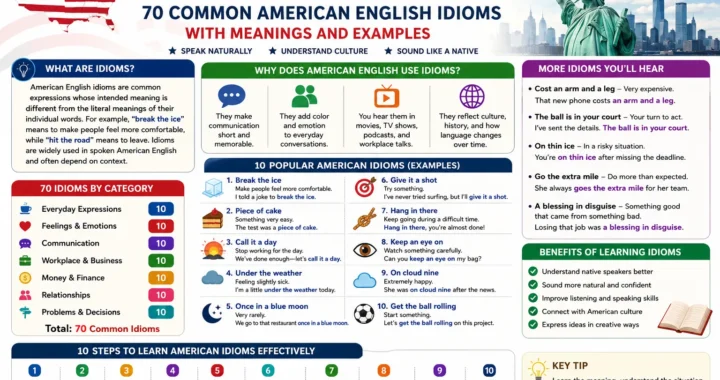
Yes, “screaming bloody murder” is an idiom. It means making a loud, dramatic outcry or complaint, often about something relatively minor, rather than describing an actual crime. The phrase’s meaning cannot be understood by taking the words literally, which is exactly what defines an idiom.

What “Screaming Bloody Murder” Actually Means
The phrase describes someone making an extremely loud, intense complaint or reaction, usually disproportionate to the actual situation.
- “The toddler screamed bloody murder when his mom took away the remote control.”
- “She screamed bloody murder the moment she saw the spider on the wall.”
- “He’ll scream bloody murder if we change the meeting time again.”
None of these examples involve an actual crime. The phrase simply emphasizes how loud and dramatic the reaction is, regardless of how serious the underlying cause actually is.
This is a key sign of idiomatic language: the literal words suggest something far more serious than the actual meaning intended.
Why This Phrase Qualifies as an Idiom
An idiom, by definition, carries meaning that can’t be understood by looking at the individual words alone. This phrase fits that definition clearly.
Taken literally, “screaming bloody murder” would suggest someone is yelling about an actual homicide taking place. In reality, the phrase almost never involves any crime at all.
This gap between literal wording and intended meaning is exactly what separates idioms from regular, literal phrases. Native speakers instantly understand the figurative meaning through common usage, without needing to consciously translate the words.
Recognizing this pattern helps confirm the idiomatic status of similarly dramatic-sounding English expressions.
How to Use “Screaming Bloody Murder” Correctly
This idiom works best in casual, conversational contexts, particularly when describing an exaggerated or intensely loud reaction.
- Use it to describe someone’s dramatic, loud complaint about a relatively minor issue.
- Avoid using it in situations involving actual violence or crime, since the contrast would feel inappropriate or confusing.
- Keep it casual, since the phrase generally doesn’t fit formal or professional writing.
The idiom carries a slightly humorous or exasperated tone, often used when describing someone else’s overreaction rather than one’s own.
Expert Insights: Why Extreme Language Often Becomes Idiomatic
Phrases involving extreme or violent imagery, like “screaming bloody murder,” tend to survive in everyday language because the exaggeration itself makes the phrase memorable and emotionally expressive.
This pattern appears across many idioms. Extreme wording captures attention and conveys intensity far more effectively than a plain description would, which is part of why these phrases persist despite sounding dramatic on the surface.
Over time, repeated use in ordinary, non-violent contexts gradually strips away any literal association with the original extreme meaning, leaving behind a purely figurative expression that native speakers rarely question.
This idiom, along with similar phrases like “I could die of embarrassment,” illustrates how English regularly borrows intense, dramatic language for emotional emphasis, without any real connection to the literal meaning of the words involved.
Common Mistakes People Make With This Idiom
Mistake 1: Taking the phrase literally
Some learners assume the phrase describes an actual crime. It almost always refers to a loud, dramatic reaction to something minor, not real violence.
Mistake 2: Using it in serious or formal contexts
This idiom fits casual conversation, not formal writing or serious discussions involving actual crime or violence, where the phrase would sound inappropriate.
Mistake 3: Assuming it always describes anger
While often used for complaints, the phrase can also describe fear, surprise, or general loud distress, not exclusively anger.
Mistake 4: Overusing it for mild reactions
The idiom implies an especially loud, dramatic response. Using it for genuinely calm or mild reactions weakens its intended emphasis.
Practical Steps to Use This Idiom Naturally
- Reserve it for genuinely loud, dramatic reactions, rather than mild or calm responses.
- Keep it casual, using it in conversation rather than formal writing.
- Pair it with a specific, often minor, cause to highlight the contrast between the reaction and the actual situation.
- Avoid using it near topics involving real crime or violence, where the phrase would feel out of place.
- Practice using it in your own sentences, describing exaggerated reactions from daily life, like a child upset over a small inconvenience.
Frequently Asked Questions
Q: Is “screaming bloody murder” a real idiom?
A: Yes, it’s a genuine, widely used idiom. It means making a loud, dramatic outcry or complaint, usually about something relatively minor, rather than describing an actual crime or act of violence.
Q: What does “screaming bloody murder” mean in a sentence?
A: It describes someone reacting with an intensely loud, dramatic outburst. For example, “He screamed bloody murder when he stubbed his toe,” meaning his reaction was extremely loud and exaggerated.
Q: Can this idiom be used for positive reactions?
A: It’s typically reserved for negative or distressed reactions, like anger, fear, or complaint. It’s rarely, if ever, used to describe positive excitement or happiness.
Q: Is this idiom appropriate for formal writing?
A: No, it’s considered too casual and dramatic for formal or professional writing. It fits best in everyday conversation or informal, conversational writing.
Q: Where does the phrase “screaming bloody murder” come from?
A: The exact origin isn’t fully documented, but the phrase likely developed from associating extreme, violent language with intensely loud or dramatic outcry, eventually shifting into figurative, everyday use.
Q: Is “bloody murder” used on its own as an idiom too?
A: Not typically. The full phrase “screaming bloody murder” is what carries the idiomatic meaning. “Bloody murder” alone doesn’t function as a standalone idiom in common usage.
Q: Does this idiom appear in both American and British English?
A: Yes, this idiom is widely recognized and used across most English-speaking countries, including both American and British English, without significant regional variation in meaning.
Bringing It All Together
“Screaming bloody murder” is a clear example of an idiom, one where the literal words suggest something far more serious than the phrase actually means in everyday conversation. Understanding this gap makes the expression easy to use correctly and confidently.
This idiom works best for describing loud, dramatic reactions to relatively minor situations, adding humor or emphasis without any real connection to violence or crime.
The next time you hear someone “screaming bloody murder” over something small, you’ll know exactly why that phrase fits perfectly, dramatic wording included, and completely harmless in meaning.
Read More: Idioms With Pirate Origins: Nautical Phrases We Still Use Today



[…] Read more: Is “Screaming Bloody Murder” an Idiom? Here’s the Clear Answer […]