


A coworker says a project is “a slam dunk,” and everyone in the room nods along, no explanation needed. Outside the United States, that same phrase might draw a confused pause, since it borrows directly from basketball, a sport far more central to American culture than in many other English-speaking countries.
American idioms carry the fingerprints of U.S. history, sports, business culture, and frontier life. Many phrases that feel completely ordinary to American speakers actually reference very specific cultural touchpoints unique to the United States.
This matters for anyone learning American English specifically, working with American colleagues, or consuming American media, television, movies, podcasts, where these idioms show up constantly without any translation or explanation offered.
Understanding where these expressions come from, and why they feel distinctly American compared to British or Australian idioms, adds real context that makes them far easier to remember and use correctly.
By the end of this piece, you’ll recognize common American idioms, understand their cultural origins, and know how to use them naturally in everyday American English.
What Are American Idioms?
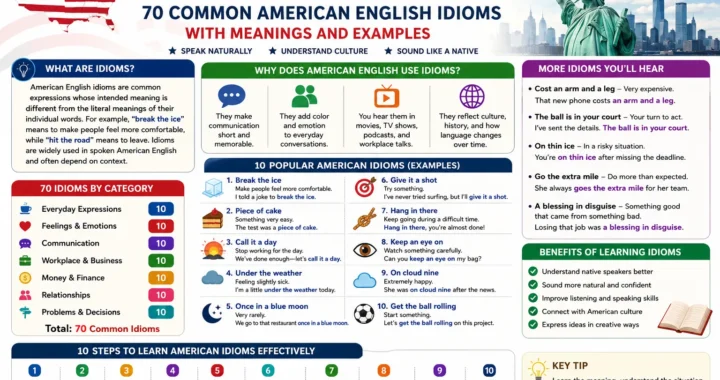
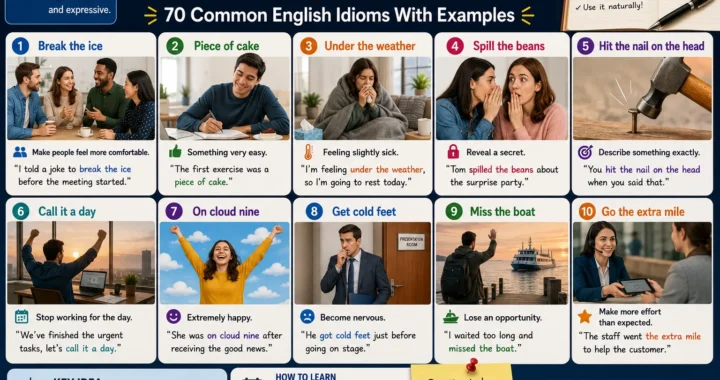
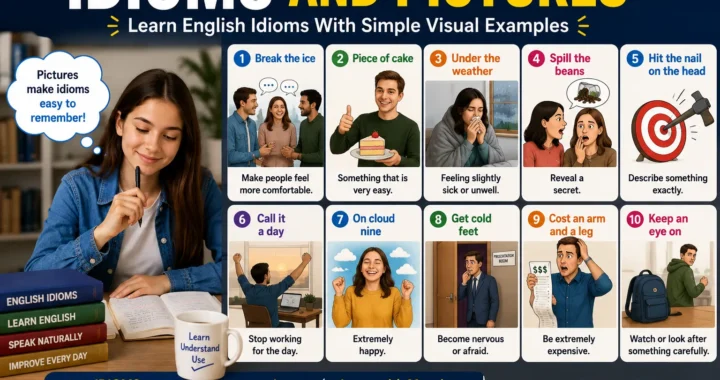
American idioms are fixed expressions commonly used in the United States whose meaning cannot be understood by translating the individual words literally. Many draw specifically from American sports, business culture, and history, distinguishing them from idioms more common in British, Australian, or other English dialects. For example, “hit a home run” means achieving great success, borrowed directly from baseball.

American Idioms Rooted in Sports
Sports play an outsized role in shaping American idioms, particularly baseball, football, and basketball.
- “Hit a home run” – To achieve great success, borrowed from baseball’s biggest offensive play.
- “Ballpark figure” – A rough estimate, referencing baseball stadium sizes.
- “Touchdown” used figuratively – Occasionally used to describe a significant achievement, borrowed from football.
- “Slam dunk” – Something certain to succeed, borrowed from basketball.
- “Strike out” – To fail at something, borrowed from baseball’s batting rules.
These sports-based idioms often confuse non-American English speakers unfamiliar with the specific rules and cultural weight of these games in the U.S.
American Idioms From Business and Work Culture
American business culture has contributed heavily to workplace-related idioms, many of which have since spread into general American English.
- “Think outside the box” – To think creatively, beyond standard approaches.
- “Move the needle” – To make a noticeable, measurable difference.
- “Low-hanging fruit” – Easy tasks or opportunities that require minimal effort.
- “Circle back” – To revisit a topic later.
These idioms reflect the fast-paced, results-oriented tone often associated with American corporate culture, particularly in industries like finance, tech, and consulting.
American Idioms Rooted in Frontier and Historical Life
Several idioms trace back to America’s frontier history, farming traditions, and early settlement period.
- “Bite the bullet” – To face something difficult, believed to relate to old medical practices before modern anesthesia.
- “Don’t count your chickens before they hatch” – Don’t assume success before it actually happens, tied to farming life.
- “Barking up the wrong tree” – Pursuing a mistaken approach, referencing hunting dogs.
- “Cut to the chase” – Get to the point, believed by some to relate to early American film editing, cutting straight to action scenes.
These idioms reflect a slower, more agrarian era of American life, even though they’re still used constantly in fast-paced, modern conversation today.
American Idioms About Money and Ambition
Given America’s strong association with entrepreneurship and capitalism, several idioms reflect attitudes toward money, ambition, and hard work.
- “Rags to riches” – Rising from poverty to wealth or success.
- “Bring home the bacon” – To earn money to support your family.
- “Go for broke” – To risk everything in pursuit of success.
- “Pull yourself up by your bootstraps” – To improve your situation through your own effort, without outside help.
These idioms often reflect broader American cultural values around individual effort and self-made success, sometimes discussed and debated in relation to real economic mobility and opportunity.
Expert Insights: Why American Idioms Lean So Heavily on Sports and Business
American idioms draw disproportionately from sports and business culture compared to idioms in some other English-speaking countries, largely because these areas hold significant cultural weight and widespread media coverage across the United States.
Baseball, in particular, has been deeply woven into American cultural identity for well over a century, which explains why so many enduring idioms reference its specific terminology, home runs, strikeouts, ballparks, rather than other sports with shorter or more regional histories in the U.S.
Business and corporate idioms have grown especially quickly in recent decades, spreading from professional environments into everyday conversation through media, workplace culture, and increasingly, social media discussions about work and productivity.
Understanding these cultural sources helps explain why certain American idioms might feel unfamiliar to English speakers from countries where these specific sports or business norms hold less prominence.
Common Mistakes People Make With American Idioms
Mistake 1: Assuming all American idioms are universal in English
Many American idioms, especially sports-based ones, aren’t as widely understood in British, Australian, or other English dialects.
Mistake 2: Using sports idioms without understanding the reference
Phrases like “strike out” or “slam dunk” carry more impact when the listener understands their sports origin, though the figurative meaning usually still comes through.
Mistake 3: Overusing business jargon-style idioms in casual conversation
Phrases like “move the needle” or “circle back” can sound overly corporate outside of workplace contexts.
Mistake 4: Assuming historical idioms are outdated
Frontier-era idioms like “bite the bullet” remain extremely common in modern American English, despite their older origins.
Practical Steps to Learn American Idioms Effectively
- Start with widely recognized idioms, like “hit a home run” or “bite the bullet,” before moving to more niche business or regional phrases.
- Learn the cultural context behind sports idioms, since understanding the reference makes the phrase far easier to remember.
- Pay attention to workplace idioms if you’re in a professional American environment, since these appear constantly in meetings and emails.
- Watch American media, including sports broadcasts, business news, and casual television, to see idioms used naturally in context.
- Avoid overusing corporate idioms in casual settings, matching tone to the situation.
- Practice using a few idioms per week in your own sentences to build natural, confident use.
American Idioms by Category
| Category | Example Idiom | Meaning |
|---|---|---|
| Sports | Hit a home run | Achieve great success |
| Business | Move the needle | Make a measurable difference |
| Frontier history | Bite the bullet | Face something difficult |
| Money and ambition | Rags to riches | Rise from poverty to wealth |
This table offers a quick overview of how American idioms cluster around distinct cultural themes.
Frequently Asked Questions
Q: What makes an idiom specifically “American” rather than just English?
A: American idioms often draw from cultural touchpoints unique to the United States, like baseball, American business culture, or frontier history, distinguishing them from idioms more common in British or Australian English.
Q: Why do so many American idioms come from baseball?
A: Baseball has held deep cultural significance in the United States for over a century, making its terminology, home runs, strikeouts, ballparks, a natural and lasting source for widely understood idioms.
Q: Are American idioms understood in other English-speaking countries?
A: Some, like “bite the bullet,” are widely recognized internationally. Others, particularly sports-specific idioms like “slam dunk,” may be less familiar to English speakers unfamiliar with American sports culture.
Q: Can I use American idioms in professional writing?
A: Business-related idioms like “move the needle” or “circle back” fit naturally into American professional communication. More casual idioms are usually better suited for spoken conversation than formal writing.
Q: Do American idioms change over time?
A: Yes. While historical idioms like “bite the bullet” have remained stable for generations, newer business and technology-related idioms continue emerging as American work culture and media evolve.
Q: What’s the difference between American and British idioms?
A: American idioms often draw from sports like baseball and American business culture, while British idioms tend to carry more historical or class-related roots, reflecting each country’s distinct cultural development.
Q: How can I sound more natural using American idioms?
A: Regular exposure to American media, conversations, and workplace communication builds natural idiom usage far more effectively than memorizing definitions alone. Context helps clarify both meaning and appropriate tone.
Bringing It All Together
American idioms carry the cultural fingerprints of the country’s sports, business practices, and history, offering a window into what shapes everyday American communication. Understanding their origins makes these expressions far more memorable than treating them as random, disconnected phrases.
From baseball diamonds to boardrooms to frontier farmland, these idioms reflect distinct aspects of American life that continue showing up constantly in modern conversation, media, and workplace communication.
Focus on learning a handful of idioms tied to sports, business, and everyday American life, paying attention to how they’re used naturally in real conversations and media.
The next time someone describes a plan as “a slam dunk” or a coworker suggests they’ll “circle back” later, you’ll recognize exactly where those phrases come from, and exactly what they mean.
Read More: Use of Idioms in Sentences: A Practical Guide to Getting It Right

[…] Read More: American Idioms: Common Expressions Rooted in U.S. Culture and History […]