


Idioms in English: Why They Matter for Real-World Fluency and Testing
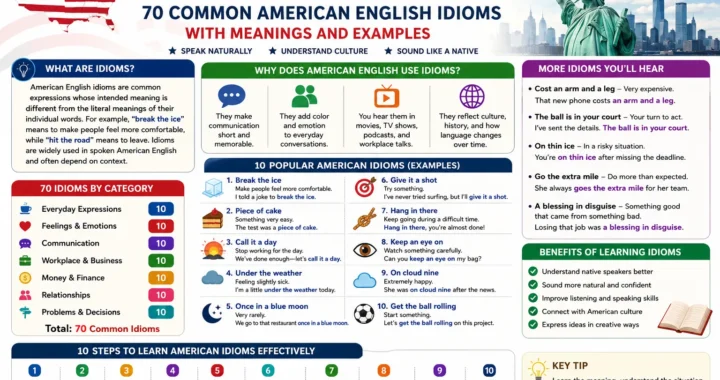
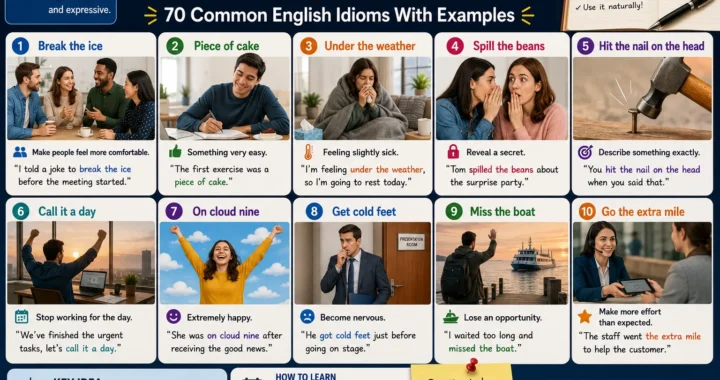
A student scores well on an IELTS grammar drill, then completely freezes during the speaking section when the examiner casually mentions something being “a piece of cake.” That moment captures a real gap in how idioms in English get tested versus how they actually show up in daily communication.
Idioms in English aren’t just decorative language you can skip if you’re focused on “serious” study. They appear constantly in listening sections of standardized tests, in job interviews, in workplace meetings, and in ordinary conversations where native speakers use them automatically, often without realizing it.
This creates a genuine problem for learners who’ve built strong grammar and vocabulary skills but still struggle to follow real conversations, understand test audio, or communicate naturally in professional settings where idiomatic language is common.
Understanding exactly where and how idioms in English show up in practical, real-world contexts, not just in general phrase lists, helps learners prioritize their study time toward what actually matters for fluency and testing success.
By the end of this piece, you’ll know where idioms in English typically appear in testing and professional contexts, and how to prepare for them specifically rather than generally.
Why Idioms in English Matter Beyond Casual Conversation
Idioms in English appear regularly across standardized testing, professional communication, and everyday listening comprehension, making them a practical necessity rather than optional vocabulary. Understanding common idioms directly affects listening and speaking scores on tests like IELTS and TOEFL, as well as comprehension in workplace meetings, interviews, and daily conversation with native speakers.

Idioms in English Language Testing
Standardized English tests increasingly include idiomatic language, particularly in listening and speaking sections, even though grammar and reading sections tend to stay more literal.
- IELTS listening sections often include native speakers using casual, conversational English, including idioms like “touch base” or “get the ball rolling,” without any definitions provided.
- IELTS and TOEFL speaking sections sometimes reward candidates who use natural idiomatic expressions appropriately, since this demonstrates a more advanced, native-like command of English.
- Test preparation materials frequently underrepresent idioms compared to how often they actually appear in real test audio, leaving many well-prepared students caught off guard.
Because idioms appear unpredictably rather than following a fixed, testable list, building broad familiarity with common expressions offers more practical value than trying to memorize idioms specifically tied to test content alone.
Idioms in English Job Interviews and Workplace Settings
Beyond testing, idioms in English show up constantly in professional environments, often in ways that can genuinely affect comprehension and communication.
- “Let’s touch base next week” – A common way of scheduling a follow-up conversation.
- “We need to think outside the box” – Encouraging creative problem-solving during a meeting.
- “That’s not really my wheelhouse” – Indicating something falls outside someone’s area of expertise.
- “Let’s circle back to that” – Postponing a topic to revisit later in a discussion.
Misunderstanding these phrases during interviews or meetings can create real communication gaps, even for candidates with otherwise strong English skills, simply because these idioms are so commonly assumed as background knowledge.
Idioms in English Everyday Listening Comprehension
Native English speakers use idioms so automatically that they often don’t register them as figurative language at all, which creates a real listening challenge for learners.
This matters significantly for podcasts, television, casual conversation, and customer service interactions, where idioms appear constantly without any acknowledgment that they might be confusing to a non-native listener.
Building strong listening comprehension specifically around idiomatic language, rather than only literal vocabulary, closes a gap that many traditional English courses underemphasize, focusing heavily on grammar and formal vocabulary instead.
This is part of why learners sometimes report feeling confident in structured, formal English settings while still struggling significantly in casual, real-world conversations filled with idiomatic language.
How Idioms in English Differ From Formal Academic Vocabulary
Understanding this distinction helps clarify why idioms sometimes get underemphasized in traditional English education, despite their practical importance.
Academic and formal vocabulary tends to follow more predictable, literal patterns, making it easier to teach and test through direct definitions and structured exercises.
Idioms, by contrast, require contextual, cultural understanding that’s harder to teach through traditional vocabulary drills, which is part of why they’ve historically received less structured classroom attention compared to formal academic English, despite appearing constantly in real-world communication.
This gap between academic English instruction and real-world idiomatic usage is exactly why many otherwise strong English learners still encounter genuine comprehension challenges outside of formal, structured settings.
Expert Insights: Why Idiom Comprehension Predicts Real-World Fluency
Language testing experts and educators increasingly recognize idiomatic comprehension as a meaningful indicator of practical, real-world fluency, separate from formal grammar and vocabulary mastery.
This distinction matters because someone can perform well on structured, literal English tasks while still struggling significantly in unstructured, casual conversation, precisely because idioms require a different kind of contextual understanding than formal vocabulary.
For learners specifically preparing for tests like IELTS or TOEFL, or for professional English use, prioritizing common, high-frequency idioms tied to workplace and everyday conversation tends to offer stronger practical returns than focusing exclusively on formal academic vocabulary alone.
This is increasingly reflected in updated test preparation materials and English courses, which have begun incorporating more idiomatic language specifically because of its clear connection to real-world communication success.
Common Mistakes People Make With Idioms in English
Mistake 1: Assuming formal English study alone builds real-world fluency
Strong grammar and academic vocabulary don’t automatically translate into comprehension of casual, idiomatic conversation, which requires separate, deliberate study.
Mistake 2: Ignoring idioms in test preparation
Since idioms appear unpredictably in listening and speaking sections, skipping idiom study specifically because it isn’t explicitly “tested” as vocabulary leaves learners underprepared for real test content.
Mistake 3: Overusing idioms in formal writing
While understanding idioms matters for listening and speaking, most academic and formal written English still calls for more literal, precise language rather than casual idiomatic expressions.
Mistake 4: Assuming all idioms are equally important to learn
Prioritizing high-frequency idioms relevant to testing, workplace, and everyday conversation offers far more practical value than attempting to memorize obscure or rarely used expressions.
Practical Steps to Build Idiom Fluency in English
- Prioritize idioms common in testing and professional contexts, rather than studying idioms randomly or exhaustively.
- Practice listening comprehension specifically with idiomatic content, such as podcasts, interviews, or casual conversation recordings.
- Learn idioms in context, through real sentences and conversations, rather than isolated definitions alone.
- Practice using workplace-appropriate idioms if you’re preparing for professional English communication specifically.
- Review idioms regularly, since consistent exposure builds far stronger comprehension than occasional, isolated study sessions.
- Seek feedback from native speakers or instructors on your own idiom usage, particularly for professional or testing contexts.
Where Idioms in English Commonly Appear
| Context | How Idioms Typically Show Up |
|---|---|
| IELTS/TOEFL listening | Casual conversational audio without definitions |
| Job interviews | Professional idioms describing skills, plans, or feedback |
| Workplace meetings | Idioms describing tasks, scheduling, and problem-solving |
| Everyday conversation | Frequent, automatic use by native speakers |
This table highlights the major practical contexts where building idiom comprehension offers the strongest real-world return.
Frequently Asked Questions
Q: Do standardized English tests like IELTS actually test idioms?
A: Indirectly, yes. Idioms frequently appear in listening sections through natural conversational audio, and using them appropriately in speaking sections can demonstrate more advanced, natural English proficiency.
Q: Why do I struggle with casual English conversation despite strong grammar skills?
A: Formal grammar and vocabulary study often don’t cover idiomatic language, which requires separate, contextual understanding. This gap commonly explains why strong test performance doesn’t always translate to comprehending casual conversation.
Q: Are idioms important for job interviews conducted in English?
A: Yes. Idioms commonly appear in professional English, including interviews and workplace meetings, and misunderstanding them can create real communication gaps, even for candidates with strong overall English skills.
Q: Should I use idioms in formal written English?
A: Generally, no. Most academic and formal writing calls for more literal, precise language. Idioms are more important for listening comprehension and casual or professional spoken communication.
Q: How can I improve my idiom comprehension for English tests?
A: Practicing listening comprehension specifically with idiomatic content, such as podcasts or interviews, alongside reviewing high-frequency idioms in context, tends to build stronger comprehension than studying formal vocabulary alone.
Q: Which idioms should I prioritize learning first?
A: Focus on idioms common in testing, workplace, and everyday conversation contexts first, since these offer the most practical value compared to rare or highly specialized expressions.
Q: Why do idioms receive less attention in traditional English classes?
A: Idioms require contextual, cultural understanding that’s harder to teach through structured vocabulary drills compared to formal academic English, which is part of why they’ve historically received less classroom emphasis despite their real-world importance.
Bringing It All Together
Idioms in English carry real, practical weight beyond casual conversation, showing up consistently in standardized testing, job interviews, and everyday workplace communication. Treating them as optional or secondary to formal vocabulary study leaves a genuine gap in real-world English fluency.
Prioritizing high-frequency idioms tied specifically to testing and professional contexts offers stronger practical returns than broad, unfocused idiom study, particularly for learners preparing for exams or workplace communication.
The next time you’re studying English with a specific goal in mind, whether that’s a test, a job interview, or simply confident daily conversation, make idioms a deliberate part of your preparation, not an afterthought.
Read More: “Takes Two to Tango” Idiom: What It Means and How to Use It


[…] Read More: Idioms in English: Why They Matter for Fluency […]